THE ULTIMATE SUV SHOWDOWN
Toyota RAV4 or Honda CR-V for New York?
Discover which compact SUV truly conquers city potholes, tight parking, and weekend escapes.
No commitment · Check your options instantly
TL;DR SUMMARY
The Verdict is In
VERDICT
RAV4: The Rugged Commuter
- Hybrid efficiency for stop-and-go BQE traffic
- Superior pothole resilience with higher ground clearance
- Standard AWD for unpredictable winter sleet
VERDICT
CR-V: The Urban Family Hauler
- Unmatched cargo space for Costco runs & stroller storage
- Wider door openings for tight parking garage loading
- Smoother continuously variable transmission for city cruising
THE BREAKDOWN
New York Utility Matrix
While spec sheets tell part of the story, real-world city driving demands different priorities. We evaluated both crossovers on the exact metrics that matter to tri-state drivers.
EVALUATION METRIC
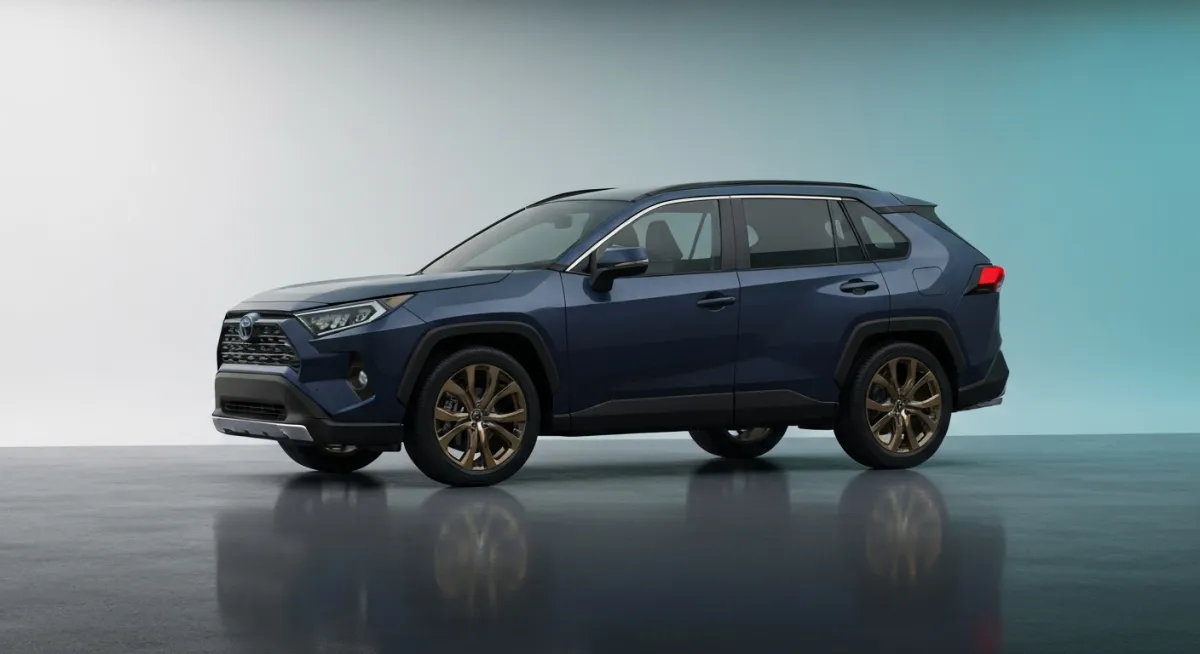
2026 Toyota RAV4
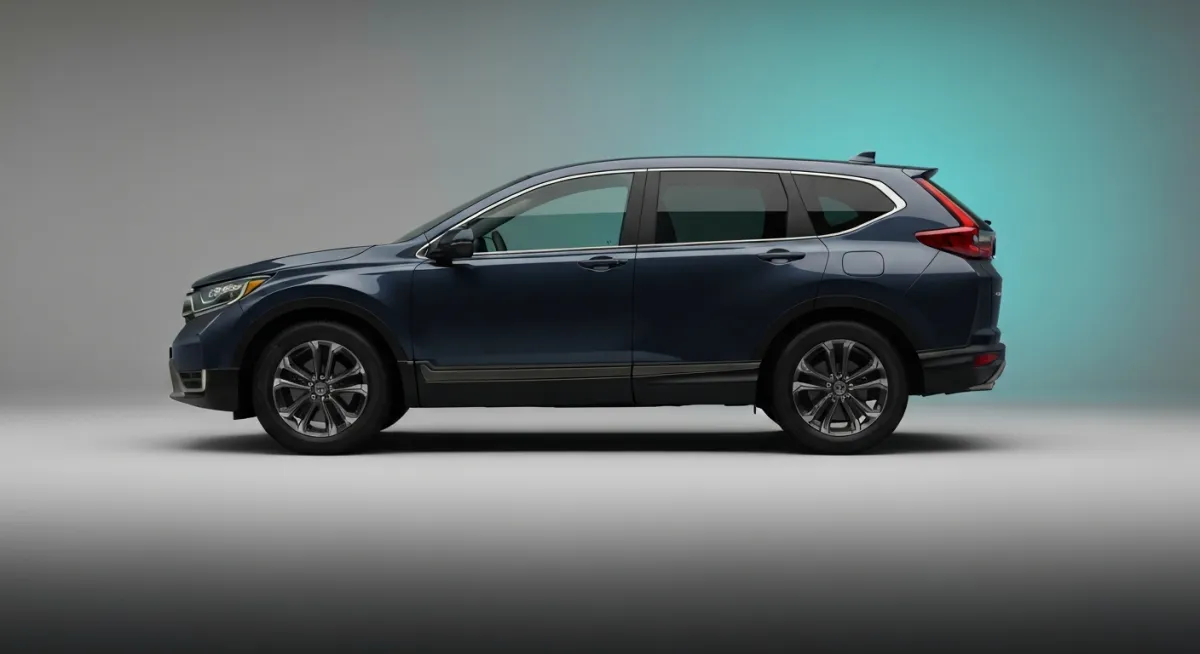
2026 Honda CR-V
Pothole Resilience
Stiffer TRD-tuned suspension transmits sharp impacts to the cabin. You'll feel the BQE expansion joints.
Smoother multi-link rear suspension glides over crosswalks and minor craters with luxury-like composure.
Tight-Spot Parking
Boxy hood lines provide excellent spatial awareness. Optional 360-degree camera is a lifesaver for parallel parking in Manhattan.
Slightly longer wheelbase requires an extra turn, but the high-res rearview camera with dynamic guidelines makes it effortless.
Winter AWD Performance
Dynamic Torque Vectoring excels in unplowed upstate conditions. The true mechanical AWD bites hard into slush.
Real Time AWD reacts quickly on icy Brooklyn bridges, but feels more front-biased in deeper snowdrifts.
IN-DEPTH ANALYSIS
Beyond the Brochure
When comparing the RAV4 and CR-V, spec sheets only tell half the story. To understand how these vehicles truly perform across the five boroughs, we have to look past the marketing material. This is where the nuances of daily utility, cabin isolation, and suspension tuning come into play—factors that determine whether a commute is exhausting or effortless.
Interior Tech & Cabin Isolation
Navigating the BQE requires total focus, which means cabin tech must be intuitive rather than distracting. The CR-V’s infotainment system takes a minimalist approach, featuring a physical volume knob and hard buttons for climate control—a massive advantage when wearing winter gloves. Toyota’s RAV4 offers a larger available display, but its interface requires more menu diving. More importantly, Honda has invested heavily in acoustic glass and firewall insulation, making the CR-V noticeably quieter when idling next to a sanitation truck or navigating construction zones.
Advanced Safety Suites in Urban Chaos
Both automakers include comprehensive safety suites as standard—Toyota Safety Sense and Honda Sensing. However, their calibration differs significantly in dense city traffic. The RAV4’s pre-collision system is highly sensitive, often sounding alerts when taxis aggressively merge. In contrast, the CR-V’s system feels tuned with a slightly higher tolerance for urban proximity, reducing false alarms without compromising emergency braking capabilities. For daily city driving, Honda’s execution feels less intrusive and more aligned with the realities of New York traffic flow.
“Pothole resilience is a metric you won't find in any brochure, but it is the ultimate test of build quality for any New York driver.”
Long-Term Reliability on New York Streets
The RAV4’s slightly stiffer suspension tuning, while excellent for highway stability, transmits more sharp impacts into the cabin over broken pavement. The CR-V’s multi-link rear suspension manages to absorb abrupt transverse ridges with greater composure, reducing fatigue during long commutes from Staten Island to Midtown. Historically, both drivetrains offer exceptional longevity that justifies their resale values, but the CR-V's interior materials show slightly better resistance to daily wear and tear from salt, slush, and heavy cargo.
BUYER PERSONAS
Which SUV Fits Your Lifestyle?
Not all New York drivers have the same needs. Here is how the Toyota RAV4 and Honda CR-V stack up for three distinct driving profiles.
City Commuter
Navigating tight street parking and stop-and-go traffic in New York puts a premium on easy visibility, predictable low-speed response, and a powertrain that matches your daily route. With the Toyota RAV4, focus on whether the trims you’re considering offer the efficiency features and drivability you want for city use—then confirm the exact equipment and availability for the model year you’re shopping.
Weekend Warrior
Escaping to the Hudson Valley or the Hamptons requires gear capacity and all-weather confidence. The Honda CR-V stands out with exceptional rear cargo space and a robust AWD system for unpredictable conditions.
Family Transporter
School drop-offs, car seats, and weekend sports in the city can make interior access and everyday comfort feel more important than any single spec. With the Honda CR-V, the decision often comes down to how the cabin layout, door openings, and seating position fit your family routine and parking reality—then confirming the exact trim equipment and availability for your model year.
BUYER PROTECTION
The NYC Buyer's Checklist
Navigating the New York car market requires local street smarts. From astronomical insurance premiums varying wildly by borough to phantom 'prep fees' tacked onto the final invoice, local pitfalls can cost you thousands. Use this checklist before you sign anything, or let our brokers handle the negotiation for you.
Insurance-Premium Checks
Insurance can vary a lot by borough, parking situation, and driver profile. Price out coverage early using your zip code(s) and ask your agent how trim choice, safety/driver-assistance equipment, and where the vehicle is garaged could affect your premium.
Hidden Dealer Fees
Watch out for inflated 'prep fees' and mandatory window etching. Ask for an itemized breakdown of every dealer, registration and service charge before agreeing to terms.
Parking & Registration
Confirm your neighborhood's street-sweeping schedule and residential permit availability before sizing up your vehicle.
HOW IT WORKS
The NYAutoBroker Advantage
We handle needs analysis, inventory search, and equipment verification so you’re comparing the right trims—not just a nameplate. We’ll also help you align next steps with your timeline and confirm all current terms before you sign anything.
STEP 01
Market Scan
We leverage our exclusive dealer network across the tri-state area to locate the exact model and trim you desire, bypassing limited local inventories.
STEP 02
Negotiation-Free Pricing
Our volume purchasing power secures wholesale-level pricing. No hidden fees, no dealership games—just a transparent bottom line presented clearly.
STEP 03
Doorstep Delivery
Sign your paperwork digitally and we'll deliver your fully detailed new vehicle directly to your New York driveway or office.
RELATED GUIDES
More NYC Insights
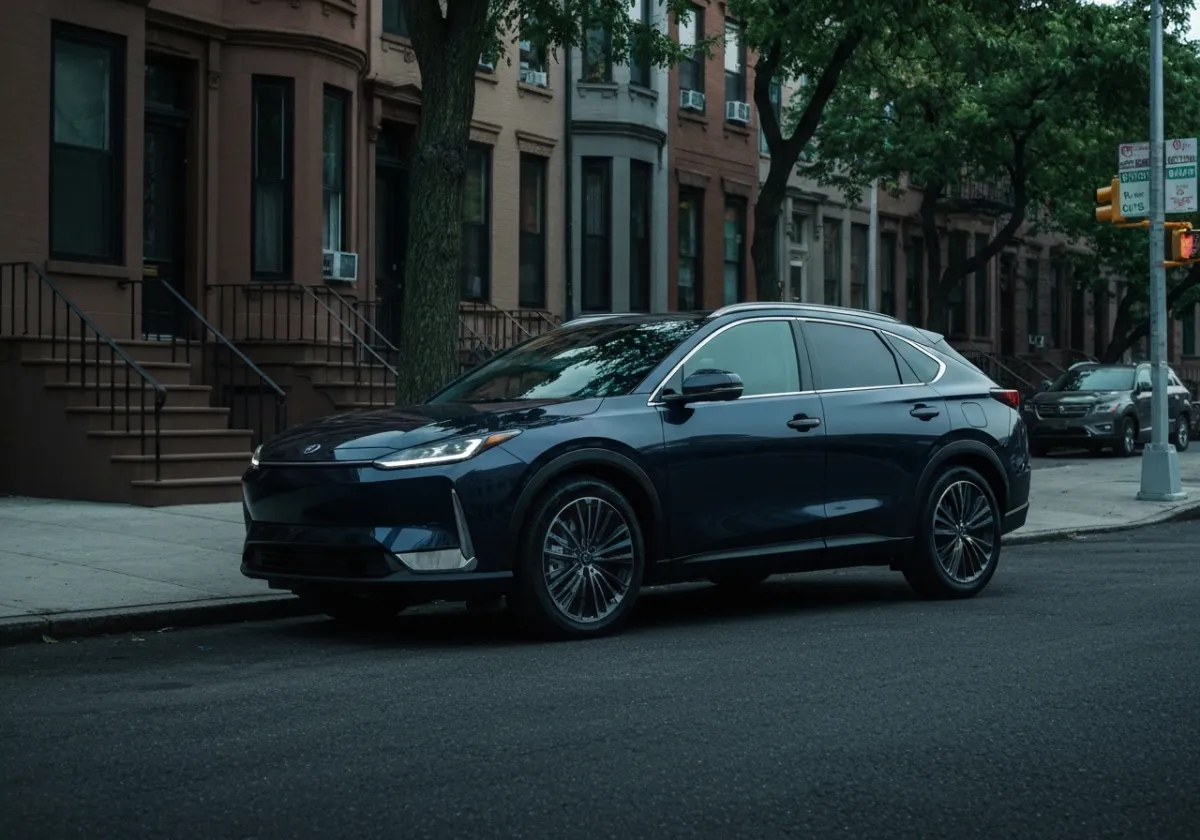
Best Hybrid SUVs for Queens

Leasing vs Buying in NY
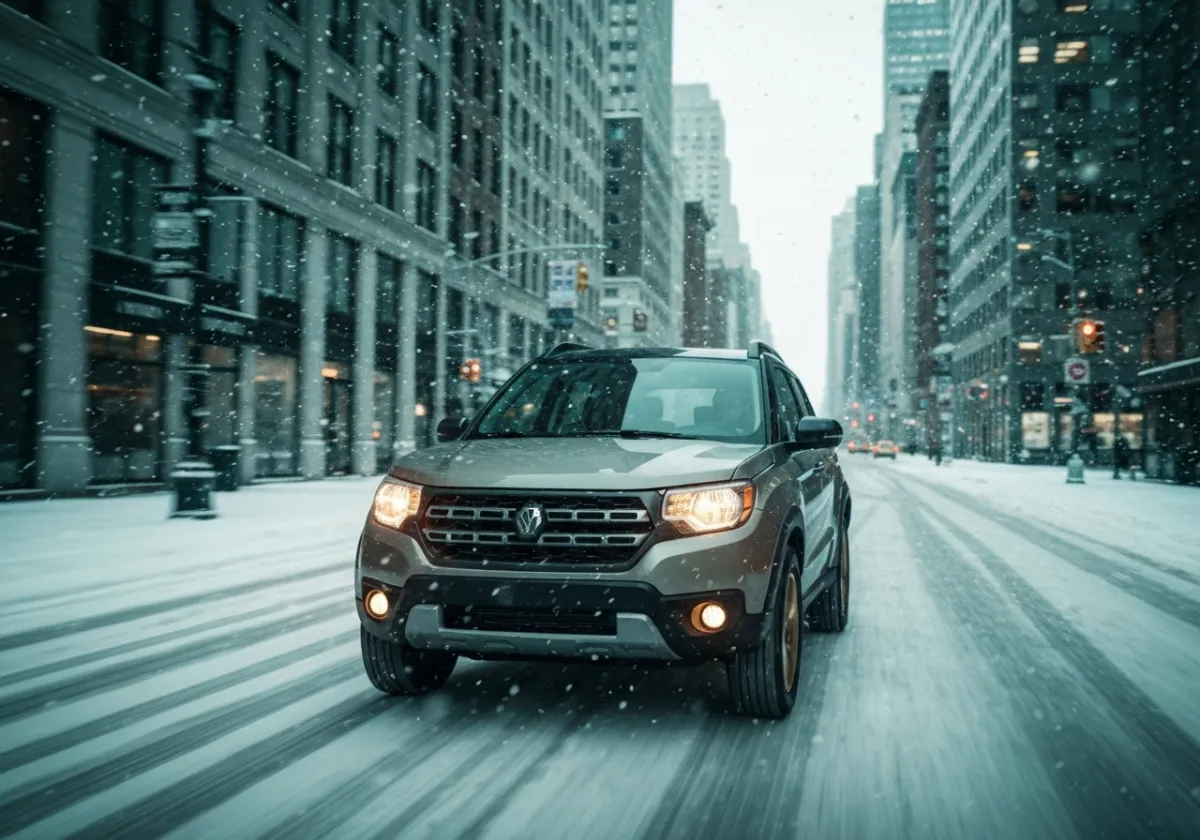
Winter Driving Guide

Understanding Auto Insurance
CLARITY BEFORE YOU COMMIT
Expert Answers
Before you make a final decision, let's address the realities of owning a crossover in New York. We break down the technical differences that matter most for city driving, maintenance obligations, and long-term value retention.
Disclosure: NYAutoBroker.com is an independent vehicle-shopping service and is not Toyota, Honda, or a franchised dealer. Model-year features, availability, and deal terms can change—please confirm final equipment and terms before purchase or lease.
How do maintenance costs compare for NY drivers?
Both are famously reliable, but the CR-V's turbocharged engine requires stricter oil change intervals (especially with stop-and-go city traffic). The RAV4's naturally aspirated base engine is slightly more forgiving for deferred maintenance.
Which model holds its resale value better in New York?
Historically, the RAV4 holds a slight edge in the NY market, particularly the Hybrid and Prime models, which are highly sought after. However, the CR-V trails by only a narrow margin, making both excellent long-term investments.
Will cold Northeast winters drain the hybrid batteries?
Both Toyota and Honda use robust thermal management systems. While extreme cold reduces overall efficiency by 15-20 percent for both, neither will leave you stranded. The RAV4 Hybrid has a slight historical advantage in extreme cold weather resilience.
Do I really need AWD for NYC driving?
While FWD is adequate for 80 percent of city driving, the AWD systems on both models (which are standard on their hybrid trims) significantly improve traction during slushy NY winters and provide better grip on wet cobblestones or metal bridge grates.
CONFIRM TRIMS & AVAILABILITY
Secure Your NY Deal Today
Skip the dealership runaround. Tell us what you’re trying to accomplish (route, parking, family/cargo needs, powertrain preference), and we’ll help you compare real options and confirm the details that change by model year—equipment, availability, and terms—before you commit.
- 1. Tell us what you’re deciding between (trim priorities, budget range, timing)
- 2. We verify equipment, current availability, and dealer terms for your model year
- 3. You get a clear set of options to compare—then choose the next step
Disclosure: NYAutoBroker.com is an independent vehicle-shopping service and is not Toyota, Honda, or a franchised dealer. Model-year features, availability, and deal terms can change—please confirm final equipment and terms before purchase or lease.
NYAutoBroker.com — Verified Broker
Providing the New York metropolitan area with high-authority editorial vehicle comparisons, independent advice, and unbiased automotive brokerage services.
Contact
NYAutoBroker.com
45-74 162nd Street
Flushing, NY 11358
917-924-1637
nyautobroker.com/get-quote
Follow Us
© 2026 NYAutoBroker.com.
All rights reserved.