Expert Automotive Advisory
Lease or Buy a New Car in New York?
Navigating the realities of city driving, parking costs, and tolls requires a strategy. Discover which path makes the most financial and practical sense for your lifestyle in New York.
Quick Answer:
Lease or Buy?
The Long-Term Owner (Buy)
Focuses on building equity and holding the car. Best for drivers who want ultimate control, drive high mileage, and prefer to keep their vehicle for many years.
- Build long-term equity
- No mileage restrictions
- Full customization control
The Frequent Upgrader (Lease)
Focuses on driving the latest model with full warranty coverage. Ideal for drivers who want a lower monthly payment, predictable maintenance, and a brand-new car every few years.
- Lower monthly payments
- Always under warranty
- Seamless upgrades every 3 years
Leasing Mechanics
Leasing a New Car in
New York
Understand the exact structure of a New York automotive lease, from calculating your monthly payment to navigating state-specific taxes and mileage allowances.
The Monthly Payment Structure
When you lease a car, you are not paying for the entire vehicle. You are only paying for the depreciation—the value the car loses during your lease term—plus the rent charge (analogous to interest).
- Capitalized Cost: The negotiated selling price of the car.
- Residual Value: The projected value of the car at the end of the lease.
- Money Factor: The interest rate applied to your lease payments.
Mileage Limits for NY Commutes
Leases come with a strict annual mileage allowance, typically ranging from 7,500 to 15,000 miles. For New York drivers, estimating your usage is critical—whether you are commuting from Long Island to Manhattan or just making weekend trips to the Hudson Valley.
- Overage Penalties: Exceeding your limit results in fees typically between $0.15 and $0.30 per mile.
- Custom Allowances: High-mileage leases can be negotiated upfront for a lower cost than paying end-of-term penalties.
New York Sales Tax & Fees
Unlike buying a car where you pay tax on the entire purchase price, New York State law requires lease sales tax to be paid entirely upfront based on the sum of your lease payments.
- Acquisition Fee: An administration fee charged by the leasing company to initiate the lease.
- Disposition Fee: A fee charged when you return the vehicle to cover cleaning and resale costs.
THE BUYING PATH
Buying a New Car in New York
When you purchase a vehicle, you're not just securing a mode of transportation—you're making a long-term investment. Understanding how equity, depreciation, and maintenance factor into your ownership experience is critical for New York drivers.

Complete Ownership & Equity
The primary advantage of buying is building equity over time. Unlike a lease, every payment brings you closer to full ownership. Once your loan is paid off, the vehicle is entirely yours to keep, sell, or trade in—without mileage caps or wear-and-tear penalties.
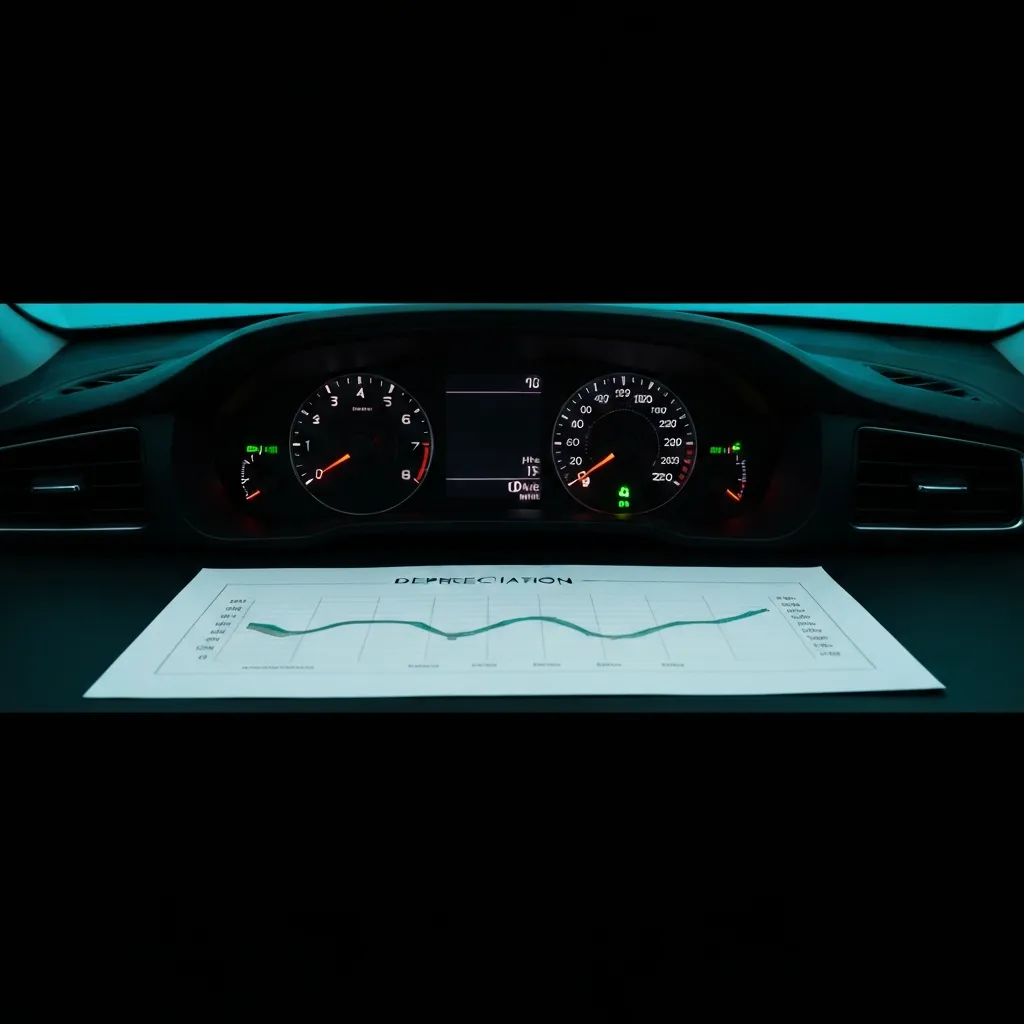
The Reality of Depreciation
While you build equity, new cars experience their steepest depreciation during the first few years. Managing this curve by holding onto the vehicle longer or strategically leveraging its residual value is key to a smart purchase strategy in the city.
Long-Term Maintenance Responsibilities
Unlike leasing, where the car is typically under warranty for the entire term, buying means you will eventually assume full responsibility for maintenance and repairs. Proper planning and awareness of your vehicle's out-of-warranty costs ensures these expenses don't disrupt your budget over the years.
AT A GLANCE
Lease vs Buy Cost Comparison
A direct breakdown of the financial and practical differences to help you make an informed decision.
HYPER-LOCAL CONSIDERATIONS
New York City Practical Factors
The Parking Reality
Street parking risks versus garage costs. Whether you lease or buy, protecting the vehicle from bumper damage and elements is critical in dense boroughs.
The Mileage Math
Outer borough commutes can rapidly burn through standard 10,000-mile leases. We analyze your driving habits to prevent costly overage penalties.
The Commute Equation
Stop-and-go BQE traffic accelerates wear. Leases often provide peace of mind with full warranty coverage for the grueling city miles.
The Family Dynamic
From car seats to weekend getaways upstate, your spatial needs shift. We evaluate whether short-term flexibility outweighs long-term equity.
The Corporate Edge
Many New York business owners leverage Section 179 deductions. Leasing frequently offers superior write-off structures for eligible professionals.
The Congestion Factor
With changing toll zones and congestion pricing, operating costs are rising. We help you choose a vehicle and structure to offset these expenses.
FINAL ASSESSMENT
Finalize Your
Decision Checklist
Answer these four fundamental questions to clarify your path forward in the New York market.
01
Assess Equity
- Appraise current value
- Check loan balance
- Apply equity to deal
02
Annual Mileage
- Map daily commute
- Factor weekend trips
- Review past mileage
03
Ownership Horizon
- Target years to keep
- Maintenance tolerance
- Tech upgrade frequency
04
Business Use
- Primary usage type
- Potential tax write-offs
- Commercial insurance
PROFESSIONAL ADVOCACY
How NYAutoBroker
Helps
Whether you decide to lease or buy, our priority is providing objective, data-driven guidance tailored to your specific New York driving needs. We act entirely as your advocate to ensure a transparent process without the traditional dealership friction.
- Sourcing your exact make and model across our network
- Handling all complex dealer negotiations on your behalf
- Securing the optimal financing or lease terms available

CLARITY BEFORE YOU COMMIT
Frequently Asked
Questions
Is leasing cheaper in NYC?
Generally, yes. Leasing offers lower monthly payments since you are only paying for the vehicle's depreciation during the term. However, you must also factor in New York insurance rates and parking costs when calculating your total monthly vehicle budget.
Can I buy out my lease later?
Absolutely. Most lease agreements include a predetermined buyout price (residual value) at the end of the term. If the car holds its value well or you simply love driving it, purchasing it can be a smart financial move.
How does my trade-in affect a new lease?
Your trade-in equity can be applied as a capitalized cost reduction, lowering your monthly lease payments. It functions similarly to a down payment, making your new lease significantly more affordable.
What happens if I drive over my mileage limit?
If you exceed your contracted mileage, you will be charged a per-mile penalty at the end of the lease—typically between 15 and 30 cents per mile. We highly recommend accurately estimating your driving habits before signing.
Are there tax advantages for business owners?
Yes, business owners can often deduct a significant portion of their lease payments as a business expense, depending on the percentage of business use. We advise consulting your tax professional to maximize these benefits.
Ready to Make Your
Move?
Get tailored advice from a professional auto broker to ensure you make the best decision for your lifestyle and budget.
Or call us directly at 917-924-1637
NYAutoBroker.com
45-74 162nd Street
Flushing, NY 11358
Phone: 917-924-1637
Quick Links
- Quick Answer
- Leasing Details
- Buying Details
- Cost Comparison
- NYC Factors
Legal & Privacy
- Terms of Service
- Privacy Policy
- Accessibility
- Cookie Policy
Follow Us


© 2026 NYAutoBroker.com.
All rights reserved.