
Vehicle Guidance for NYC First Responders
CORE REQUIREMENTS
What NYC First Responders Need
Commuting Realities
Dependability for commuting to and from work, including overnight or overtime commutes; fatigue-reducing seating and driver-assist features; all-weather traction and compact city dimensions; secure storage for uniform or personal bags and family cargo; and awareness of fuel use, variable mileage, and planned ownership period.
Urban Parking
Dense urban streets demand compact maneuverability, a tight turning radius, and clear visibility systems to navigate city routes while protecting the vehicle and personal items such as uniform or personal bags.
Uncompromising Reliability
Consistent performance and predictable maintenance are essential so vehicles remain dependable for commuting, overnight or overtime travel, and to minimize unexpected downtime during the planned ownership period.
Fuel Efficiency
Fuel efficiency and overall operating costs are important considerations for regular commuting, variable mileage, and the vehicle's planned ownership period.
Family Flexibility
Flexible cargo solutions and durable interiors help secure uniforms, personal bags, and family cargo while still accommodating family needs off duty.
Weather Readiness
All-weather capability, including effective traction control and dependable drivetrains, helps responders travel safely in winter and other severe conditions during commutes.
Navigate The City On Your Terms
Best Vehicle Categories for First Responders
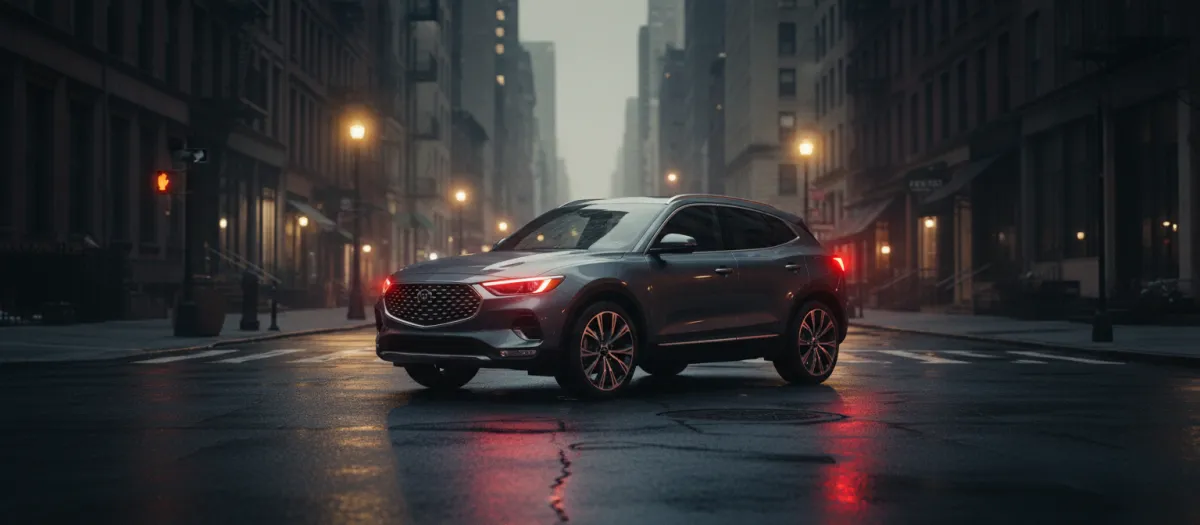

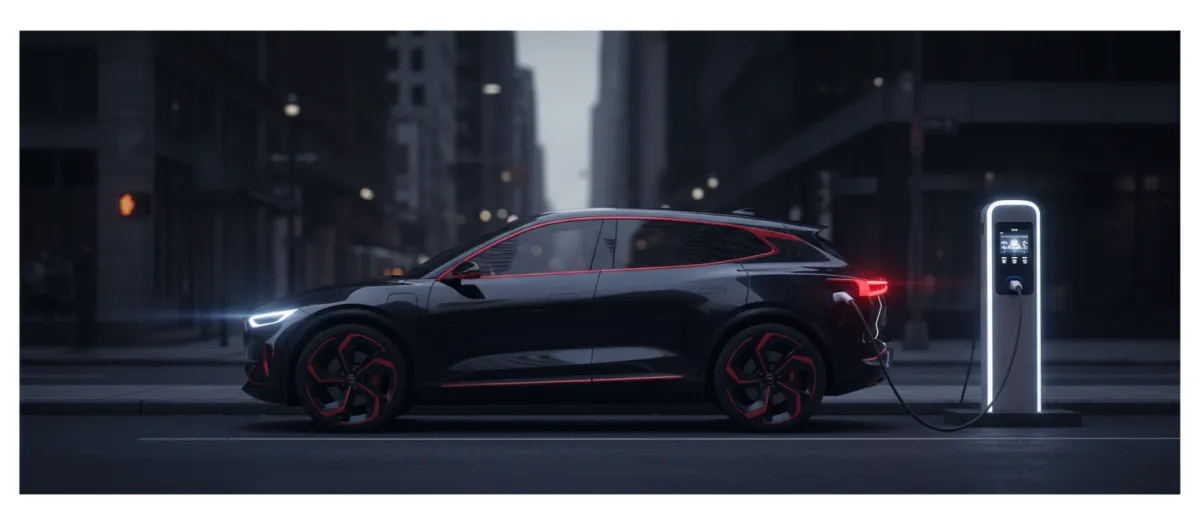
Efficient AWD compact SUVs
City traction and maneuverability with enough space to carry essential equipment.
Comfortable hybrid or high-MPG commuter sedans
Designed for long shifts, offering comfortable seating and improved fuel economy for extended use.
Flexible midsize SUVs
Provide cargo flexibility for equipment while accommodating family needs when off duty.
AVOID THE PITFALLS
Common First Responder Vehicle Mistakes
Generic vehicle advice often overlooks irregular shifts, variable mileage, severe-weather travel, secure cargo needs, parking constraints, and total ownership cost. Compare the full duty-and-life pattern before choosing a vehicle structure.
Overbuying size or luxury
Mistake: Buying a larger or luxury model assuming it’s necessary for comfort or duty.
Fix: Choose the right size and trim that balance durability, comfort, and manageable operating costs for frequent shifts.
Ignoring shift-mileage patterns
Mistake: Evaluating fuel and wear costs by monthly averages instead of your high-mileage shift patterns and idling time.
Fix: Prioritize powertrains and service schedules that suit your typical shifts to lower long-term operating expenses.
Confusing capability with unnecessary expense
Mistake: Paying extra for capabilities (towing, off-road packages) you rarely use.
Fix: Specify only the capability you regularly need; avoid premium packages that add cost without practical benefit.
Focusing only on monthly payment
Mistake: Stretching terms or choosing deals that lower monthly cost but increase total interest and depreciation risk.
Fix: Compare total cost of ownership and choose a lease or financing term aligned with your expected mileage and ownership period.
Financial Structure
Lease vs Finance for First Responders
Leasing may fit predictable mileage and planned replacement cycles, while financing may fit high or variable mileage and longer ownership. The better structure depends on expected use, term length, cash exposure, maintenance planning, and total cost. Review our vehicle finance guidance for a neutral comparison.
Leasing Strategy
Ideal for first responders with predictable local shifts who prefer upgrading to the latest safety technology every few years without the burden of long-term maintenance.
- Suited to predictable mileage and planned replacement cycles common in defined shift schedules.
- Warranty coverage typically limits unexpected repair cost exposure during the term.
- Requires evaluating mileage allowances and potential overage charges based on duty travel.
Financing Strategy
Better suited for first responders who have long or variable duty-area travel, plan to keep their vehicle long-term, and want to build equity over time.
- Suited to high or variable mileage and long-term ownership when retention and customization matter.
- Allows full vehicle customization and long-term retention beyond typical lease terms.
- Can build equity as the vehicle is paid off; consider long-term maintenance, depreciation, and total cost of ownership.
SELF-DISCOVERY
Questions To Ask Yourself
Before committing to a specific make or model, take a moment to evaluate your daily realities. Your ideal vehicle must seamlessly bridge the gap between your commute, parking constraints, and weekend lifestyle.
01 — Annual commute mileage including overtime
How many miles will you drive annually, including overtime?
Include daily commute miles, overtime driving, and occasional long trips when evaluating fuel economy or EV range.
02 — Normal parking and charging access
Where will this vehicle normally park, and what charging access will you have?
Consider street, driveway, garage, or workplace parking, and whether you'll have access to home charging, public chargers, or none.
03 — Winter and personal/family cargo needs
What winter driving and personal or family cargo requirements must the vehicle meet?
Prioritize room for winter gear, strollers, groceries, and secure storage for personal items; factor in cargo capacity and protection from the elements.
04 — Intended ownership period
How long do you plan to keep this vehicle?
Decide whether you need a short-term vehicle or a long-term daily driver—ownership length affects maintenance planning and total cost of ownership.
STRATEGY REVIEW
Your Next Vehicle Should Support Your Role as a First Responder
Take the guesswork out of your next vehicle purchase with a personalized consultation tailored to first responders' commuting realities, duty demands, and budget.
NYAutoBroker.com operates as an independent auto brokerage and concierge service assisting clients in sourcing and securing vehicle leases and purchases. We are not a franchised dealership. All vehicle information, pricing, specifications, and availability are subject to change based on market conditions without notice. Images shown are for illustration purposes only and may not represent the exact vehicle offered.
© 2026 NYAutoBroker. All rights reserved.