
GUIDE TO EDUCATIONAL VERIFICATION
Auto Broker Licensing
for New Car Buyers
IMPORTANT VERIFICATION: This guide offers educational information about verification processes and does not constitute legal advice. Requirements vary based on location, provider role, activities, transaction types, and prevailing regulations.
Consult current official sources or qualified professionals to understand applicable requirements.
VERIFICATION INFORMATION
Quick Answer: Confirm the Provider and the Applicable Requirements
Verification is important because requirements vary depending on jurisdiction, provider role, activities, transaction type, and current policies. We recommend consulting the latest official sources or qualified professionals for accurate guidance related to the specific provider and transaction.
ROLE DEFINITIONS
Understanding Provider Terminology
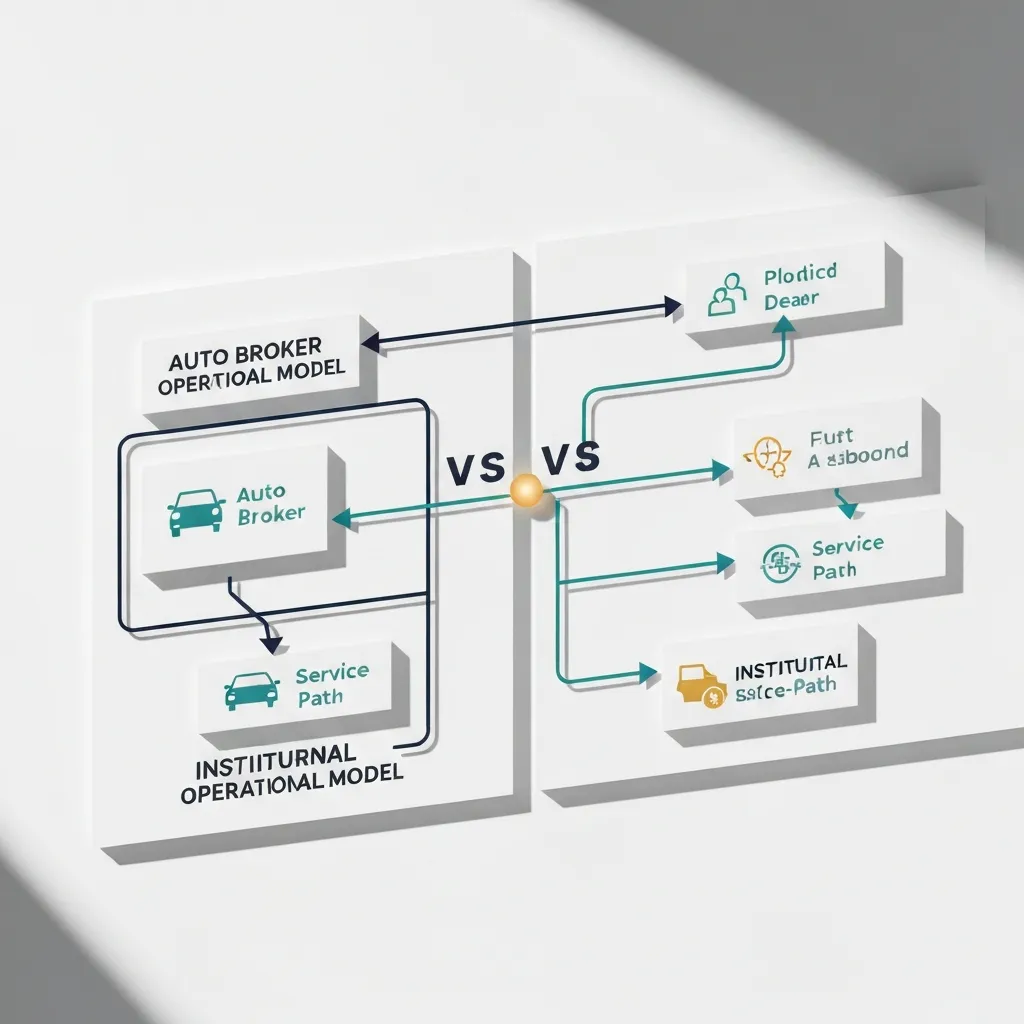
The title a provider uses—such as auto broker, dealer, or facilitator—relates to their role and activities. Understanding these terms helps you set realistic expectations about their services, actions permitted, and applicable requirements before entering any agreement.
Licensing, Registration, Bonding, and Insurance Can Differ
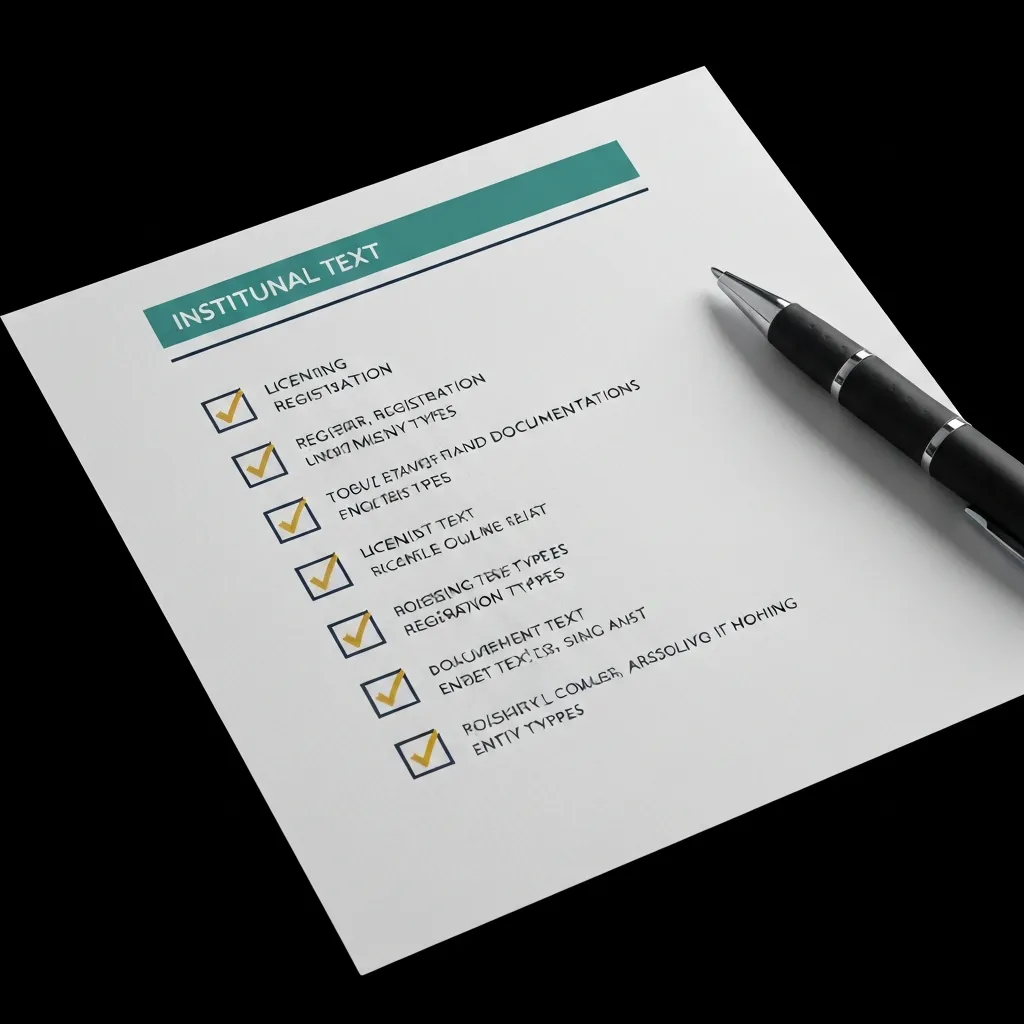
Because operational models vary, requirements such as licensing, registration, bonding, and insurance depend on the activities the provider carries out and can change based on jurisdiction and circumstances.
Roles and responsibilities of providers can differ. Verify the requirements related to the provider’s stated role and the specific transaction involved with current official sources or qualified professional advice.
Verification Steps
How to Verify Business Identity and Contact Details
Follow these steps to review official information and better understand the status and activities of the business with which you intend to work.
Physical Location Verification
- Confirm office location
- Cross-check with state records
- Check business hours of operation
Contact Information Review
- Check dedicated business phone
- Verify business domain email
- Confirm primary support channels
Business Registration Details
- Search Department of State ID
- Check current corporate status
- Review trade name records
Compensation Transparency
Questions About Compensation and Role Considerations
Understanding how an auto broker is compensated helps ensure their role aligns with your interests. Verify payment terms prior to agreeing to representation or service contracts.
Note: Request clear information on whom the provider represents, their compensation method, and possible conflicts. Verify these details in writing before moving forward.
QUESTION 1: Understanding the Basics
Compensation from Dealers
Auto brokers often charge a flat fee for their services. If compensation includes dealer commissions, review this carefully as it may affect impartiality in price negotiations.
QUESTION 2: Dealer Relationships
Compensation Linked to Financing or Products
An auto broker's compensation tied to your loan rate or warranty purchases may create conflicting incentives. Clarify their fee structure and how it relates to loan terms.
QUESTION 3: Effects on Loans and Warranties
Written Service Agreement
Before agreeing to services or sharing personal information, ask about the compensation structure, the written scope of work, and privacy practices.
Agreement Checklist
What a Written Agreement Should Include
Before engaging an auto broker, ensure your written agreement includes these key points to support your understanding and avoid surprises.
Scope of Services
Clearly describes the broker's services to set expectations and define boundaries.
Pricing Information
Details all associated costs upfront to provide clarity and avoid unexpected expenses.
Refund Conditions
Explains conditions under which deposits or fees may be refundable, depending on terms agreed.
Signatures and Dates
Confirms the document includes necessary signatures and specifies timelines for service delivery.
UNDERSTANDING YOUR RIGHTS
Records, Privacy, and Managing Personal Information
Learn about how sensitive data may be secured, retained, and managed during vehicle transactions.
Handling and Security of Data
Protection of your personal and financial data depends on the provider's security measures throughout the process.
- Transaction logs may be encrypted
- Access by third parties can be regulated
- Identity verification practices differ
Retention of Records and Documents
Verify what records the provider maintains and keep your own copies of agreements, disclosures, and communications.
- Retention periods may vary by provider and law
- Procedures for data disposal depend on policies
- Records of transactions can assist your records
Understanding Personal Information Practices
You control your personal data with awareness of collection, usage, and sharing practices.
- Clear information on data practices
- Access to your transaction records
- Choices on sharing personal data
Indicators to Review Carefully
Potential Indicators for Careful Verification
Successful transactions rely on clear communication. While mistakes on forms can happen, consistent evasiveness or pressure to proceed may indicate concerns worth reviewing. Consult our checklist and consider professional guidance for verification before moving forward.
Unclear or Avoided Compensation Explanations
Brokers typically disclose how they are compensated, whether by flat fees, dealer commissions, or a combination. If compensation details are unclear or inconsistent, further verification is advised.
Absence of Verifiable Business Address
A broker operating only through mobile communication or withholding a verifiable business address may lack transparency. Inquiries about such brokers should be verified with official sources or professional advice.
Signs of Pressure to Finalize Documents
Review all documents carefully for completeness and accuracy before signing. If you encounter blank fields, revisions, optional items, or unfamiliar terms, seek clarification.
Verification Protocol
Provider Verification Checklist
Confirm all records with current official sources or a qualified professional. Verification requirements and processes may vary and should be reviewed carefully.
| Verification Area | Information to Request | Where to Check | Record to Keep |
|---|---|---|---|
| Business identity | Stated legal or trade name and contact details | Current official business records chosen for the provider and situation | Copy or screenshot of the record reviewed |
| Service scope | Services included, excluded, and responsible parties | Written scope supplied by the provider | Signed or dated copy |
| Compensation and conflicts | Stated fees, referral arrangements, and potential conflicts | Written compensation disclosure | Copy of the disclosure |
| Written terms | Timing, cancellation, revisions, and document responsibilities | Proposed agreement and transaction documents | Final signed copies |
| Records and privacy | Information requested, sharing practices, retention, and contact process | Provider privacy notice and written answers | Copies of notices and correspondence |
Guidance & Organization
How NYAutoBroker Supports
NYAutoBroker.com provides an organized framework for your vehicle search. While we do not offer legal advice or licensing assurances, we facilitate informed decisions by providing essential information and resources.
- Collect your vehicle preferences and relevant documents
- Review detailed vehicle information for informed comparison
- Prepare thoughtful questions to discuss with dealers
GET STARTED
Ready to Begin Your Journey?
Contact us now for a clear understanding of your options and the steps ahead. Ensure your decisions are informed by current official information and expert advice.
CLARITY BEFORE YOU COMMIT
Frequently Asked Questions
Do auto brokers need a license in New York?
Requirements depend on various factors including the provider’s role, activities, business structure, transaction type, and applicable regulations. Always consult current official sources or qualified professionals for accurate guidance; this information is not legal advice.
How can I verify an auto broker’s credentials?
Auto broker licensing requirements in New York can vary depending on factors such as business structure and services offered. It is recommended to consult official sources or seek professional advice to understand applicable regulations.
Is a dealer license the same as a broker license?
No, they serve different functions. A dealer license permits a business to maintain inventory and sell or display vehicles directly. A broker registration strictly allows a business or individual to negotiate the purchase or lease of a vehicle on behalf of a consumer for a fee, without holding inventory.
What documents should I request before hiring a broker?
Request a formal, written broker agreement detailing all fees, scope of services, and cancellation terms. It is also prudent to verify any registration or authorization status through official New York State DMV records or appropriate sources.
What should I do if a provider will not explain its status or compensation?
If a provider does not disclose their status or compensation, ask for written clarification regarding whom they represent, how they are compensated, and any factors that may affect your total cost. Verification with official sources or professional advice is recommended when necessary.
NYAutoBroker.com
45-74 162nd Street
Flushing, NY 11358
Phone: 917-924-1637
Email: [email protected]
Guidance and Important Information
This guide provides educational information about verification processes related to auto brokers. It does not confirm any provider’s legal or regulatory status. Please verify details through official sources or with qualified professionals.


© 2026 NYAutoBroker.com. All rights reserved. Powered by AutoBroker Tech.